

✓ In Stock

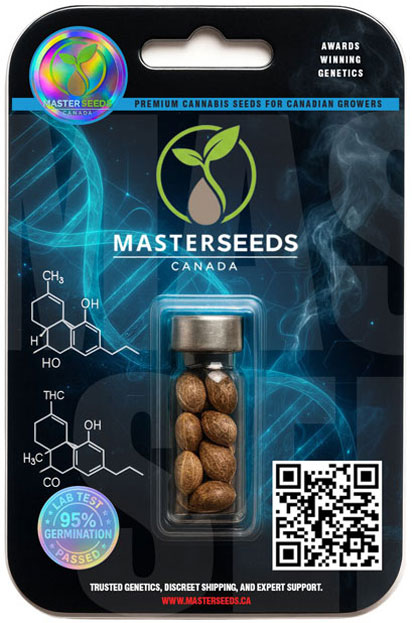
Rainbow Zangria blends bright citrus and ripe berry flavours with a smooth, spicy finish. The hybrid structure gives a clear, uplifting start that settles into relaxing calm. You will find medium height and solid resin production. Growers in Canada use greenhouse timing or indoor tents to hit full maturity and maximise yield. MasterSeeds offers feminized seeds with labelling and germination data to help you plan your grow.
Secure Payment Methods
| Trait | Value |
|---|---|
| Type | Hybrid |
| THC | 22-26% |
| CBD | 0.5-1% |
| Grow Difficulty | Intermediate |
| Flowering Time | 8-10 |
| Yield | 450-600 g/m2 indoor; 400-900 g/plant outdoor |
| Height | Medium (80-140 cm) |
| Environment | Indoor and Outdoor |
| Effects | Uplifting, Relaxing, Creative |
| Flavors | Citrus, Berry, Spice |
| Genetics | Rainbow Kush x Zangria Haze |
| Climate | Temperate to Mediterranean |
Rainbow Zangria is a balanced hybrid with bright sativa highs and calming indica undertones. Canadian growers often describe this type as versatile for both day and evening use.
THC levels reach 22 to 26 percent, placing Rainbow Zangria among higher-potency choices. This strength aligns with popular Canadian favourites like high-THC sativas and hybrid cultivars.
CBD stays low at about 0.5 to 1 percent so effects are mainly THC driven. Medical patients in Canada choose this profile for symptom relief that relies on psychoactive dose rather than CBD dominance.
Grow difficulty rates as intermediate for first-time home growers. Canadian outdoor seasons demand attention to autumn rains and mould control.
Rainbow Zangria finishes flowering in eight to ten weeks. In Canadian climates with short summers you should start plants indoors or use a greenhouse to reach the ideal finish.
Indoor yields reach 450 to 600 g per square metre under strong lights. Outdoor growers in BC and Ontario report 400 to 900 g per plant with full sun.
Plants stay medium in height, typically 80 to 140 cm. This size suits tents and balcony setups used by many Canadian growers.
Rainbow Zangria thrives both indoors and outdoors. In Quebec growers select indoor setups for humidity control while West Coast growers place plants outdoors in full sun.
Expect an initial uplifting lift followed by smooth relaxation. Canadian consumers prefer this balance for social evenings or creative tasks.
Genetics read Rainbow Kush x Zangria Haze for a multi-branch hybrid structure. Breeders built this cross to balance fruity terpenes with steady resin production.
Rainbow Zangria is available as feminized seed for predictable female crops. MasterSeeds lists these seeds with clear labelling and germination info for Canadian buyers.
Best climate runs temperate to Mediterranean with long sun and low autumn rain. In Canada this suits coastal BC and sheltered Ontario sites while prairies benefit from greenhouse timing.
Everything you need to know about this strain.
No reviews yet. Be the first to review this product!
Secure Payment Methods
Premium Genetics, Canadian Grown Excellence

Choose from 5000+ master-bred strains selected for Canadian growers.

Plain packaging, nationwide shipping from our Canadian facility.

Delivery in 2-4 days with access to our grower community.
Canadian Genetics • Master Breeders • Discreet Service